When you’re gifting a luxury food hamper, you want every bite to feel like a personal invitation to indulgence. But what if the recipient follows a strict vegan diet, is allergic to nuts, or prefers low‑sugar treats? Knowing how to handle dietary restrictions in luxury food hampers can turn a simple gift into a thoughtful masterpiece that showcases your attention to detail. This guide will walk you through practical steps, sprinkle in a dash of humor, and give you the confidence to curate a hamper that meets every palate—no matter the restrictions.
Understanding the Landscape of Dietary Restrictions
The Common Types of Restrictions
Before you start picking products, it’s essential to map out the most frequent dietary constraints you might encounter:
- Gluten‑free: Avoid wheat, barley, rye, and hidden gluten in sauces. Nut‑free: Exclude all tree nuts and peanuts; many people also avoid seeds. Vegan/Vegetarian: No animal products or by‑products; some vegans also avoid honey. Lactose‑free: Milk‑derived ingredients are out; dairy alternatives must be clearly labeled. Low‑sugar or diabetic‑friendly: Sugar substitutes, minimal added sugars, and low glycemic index.
Why It Matters
A single overlooked ingredient can ruin an entire hamper. Think of it as a symphony—if one instrument is out of tune, the whole performance suffers. By proactively addressing restrictions, you ensure the hamper remains harmonious and inclusive.
Crafting the Perfect Selection
Start with a Clear Brief
Ask the recipient or their host a few key questions:
- “Do you have any dietary restrictions or allergies?” “What’s your favorite indulgence—savory, sweet, or both?” “Would you like a mix of items or a single theme?”
Collecting this information early saves you from last‑minute substitutions and guarantees that every item is a hit.

Choose Reputable Suppliers
When sourcing items, look for brands that:
- Provide clear labeling of allergens and ingredients. Offer certifications (e.g., USDA Organic, Non‑GMO Project, Certified Vegan). Have a reputation for quality and consistency.
A reputable supplier is like a reliable co‑pilot; you’ll trust them to keep the flight smooth.
Build a Balanced Portfolio
A luxury hamper should feel curated, not cluttered. Here’s a simple Online gift delivery framework:
Savory Selections
- Artisanal cheeses (vegan or lactose‑free options available). Cured meats (check for gluten‑free curing agents). Seasonal crackers (nut‑free, gluten‑free varieties).
Sweet Treats
- Gourmet chocolates (vegan, sugar‑free, or nut‑free lines). Dried fruit (no added sugar, nut‑free). Specialty teas or coffees (look for dairy‑free options).
Extras
- Gourmet spreads (hummus, tapenade, or vegan butter). Miniature gift baskets (e.g., a small jar of artisanal jam). Personalized notes that explain each item’s dietary suitability.
Use Clear Labeling
Every item should have a discreet tag or card that lists:
- Allergens present or absent. Dietary certifications. Suggested serving ideas.
This transparency turns your hamper into a “no surprises” experience—think of it as a passport to culinary freedom.
Handling the Packaging and Presentation
Keep It Clean and Elegant
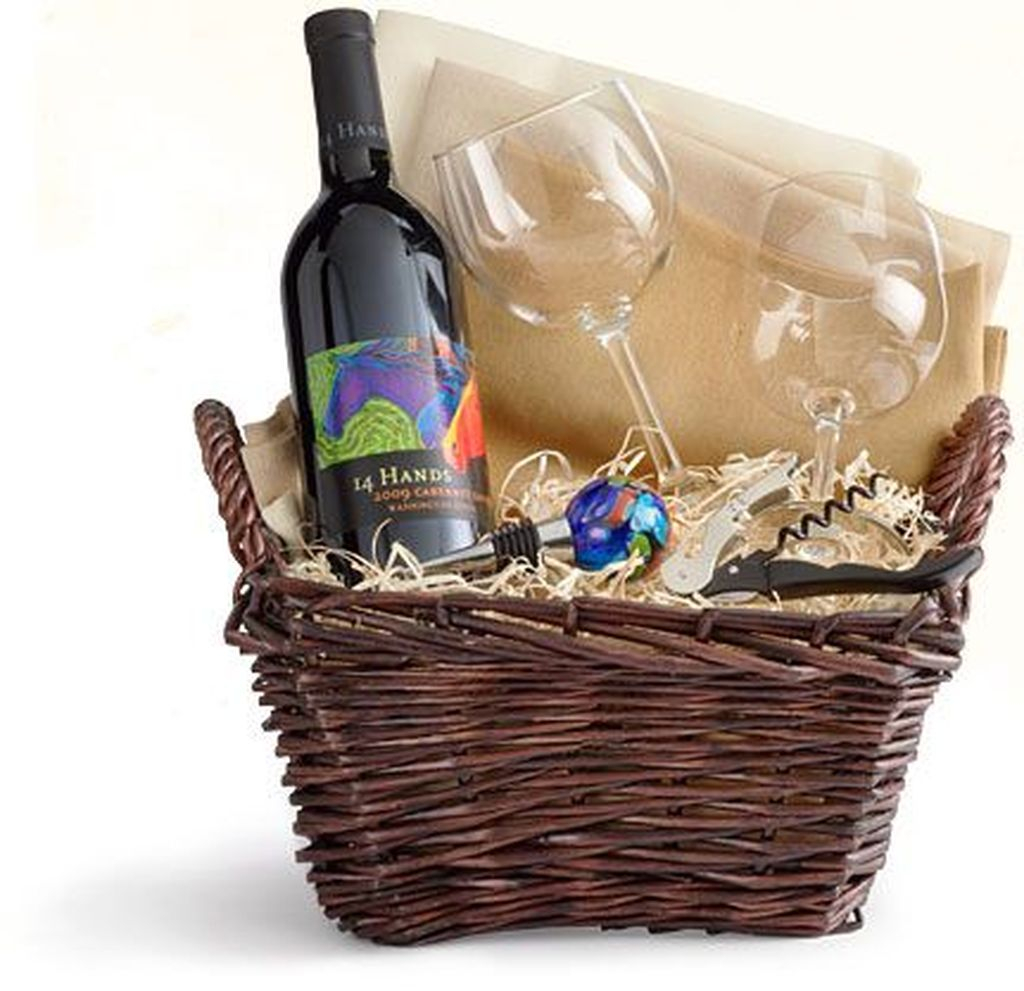
Luxury is not just about the contents; packaging plays a crucial role. Choose a sturdy wooden crate, a high‑quality canvas tote, or a decorative basket. Add a ribbon or a custom tag that reads “For a mindful palate.”
Add a Personal Touch
- Custom recipe cards that cater to the recipient’s restrictions. A handwritten note expressing gratitude and mentioning the thoughtful selection. A small gift—perhaps a branded kitchen utensil or a set of spice jars.
These extras transform a hamper from a gift into a memorable experience.
When Restrictions Are Complex
Combining Multiple Constraints
If a recipient has several restrictions—say, gluten‑free and nut‑free—your challenge becomes a puzzle. Use the “rule of thirds” approach:
Primary item: The main indulgence that meets all restrictions. Secondary item: A complementary treat that may have a minor restriction but is clearly labeled. Tertiary item: A small, safe snack that offers variety. ### The Role of SubstitutionsSometimes you’ll need to replace a popular item with an alternative. Keep a list of “go‑to” substitutes ready. For example, if a classic chocolate truffle contains nuts, offer a dark chocolate truffle with a seed‑based filling.
Communicate Transparently
If you’re unsure about an item’s suitability, reach out to the supplier or the recipient. A quick confirmation can prevent mishaps. Remember: “When in doubt, ask.” That’s a rule as solid as a well‑built fortress.
Anecdote: The “Mysterious Hamper” Incident
Last holiday season, a friend sent a luxury hamper to her sister, who was gluten‑free. She included a famous artisanal bread, thinking it was a safe choice. The sister, excited, opened the hamper only to find a single loaf of gluten‑rich bread—an unintentional faux pas. The incident sparked a light‑hearted family debate: “How do we know what’s in a hamper?” The moral? Always double‑check the ingredient list, even for seemingly innocuous items.
A Quote to Keep in Mind
> “A good hamper is like a well‑planned itinerary—every stop is thoughtful, and no one gets lost.”
Wine & chocolate> —Chef Marco Bianchi
This quote reminds us that planning and attention to detail make all the difference.
Final Thoughts: Making Your Selection Count
When you understand how to handle dietary restrictions in luxury food hampers, you’re not just filling a basket—you’re crafting an experience that respects and celebrates individual needs. By gathering clear information, choosing reputable suppliers, balancing savory and sweet, and presenting everything with elegance, you ensure that every bite feels like a personal invitation to indulge.
Now, imagine the smile on your recipient’s face when they discover a hamper that feels tailored just for them. That’s the magic of thoughtful curation. So, go ahead, pick those gluten‑free pastries, the nut‑free chocolates, and the vegan spreads. Your luxury hamper will be the talk of the town—and a testament to your culinary diplomacy.